


Composable banking is an approach that emphasises flexibility and agility by allowing banks to assemble and reassemble modular banking capabilities quickly and easily. Each capability is an independent component...

a Saudi bank cannot launch a sharia compliant BNPL product by adding a Sharia wrapper to a conventional instalment loan. The Murabaha contract has to be a native contract type in...

In today's financial services landscape, more institutions than ever are holding a banking licence and preparing to serve their first customer. Across the Gulf, Egypt, Türkiye and Central Asia,...

For financial institutions, fintech companies, and technology platforms building the next generation of credit infrastructure, understanding XNPL is essential.

Core banking is no longer an IT purchase. It is a capital-allocation decision. Three shifts every CFO should know, plus a free guide.

Saudi Arabia's Vision 2030, the UAE's digital-economy strategy, Bahrain's fintech-hub ambitions, Kuwait's transformation programme and Qatar's financial-centre development. All together have created the most ambitious, best-funded and fastest-executing modernisation agenda in the emerging world.

Artificial intelligence in banking has quietly crossed a threshold. It is no longer a line item in an innovation budget or a slide in a strategy offsite.
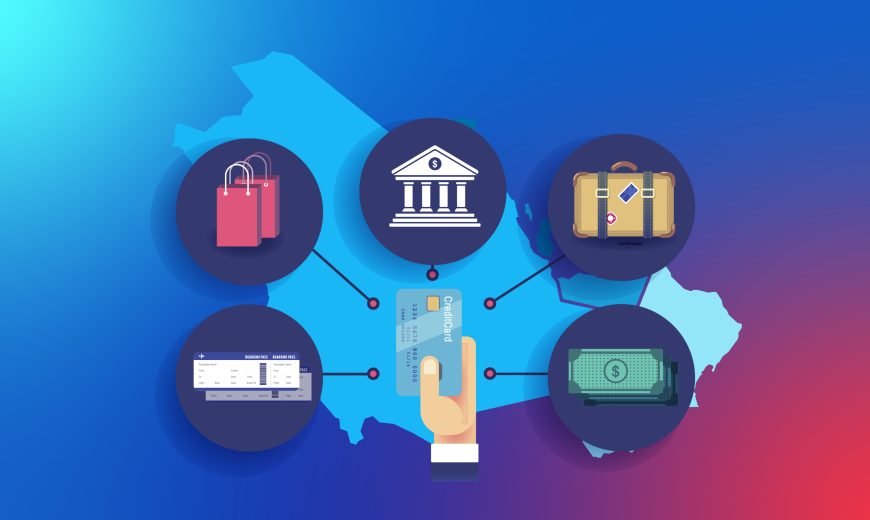
composable banking: its architectural principles, its practical business benefits, how it differs from related concepts, and how institutions in GCC

Islamic banking software is not a niche segment of global finance. It is a multi-trillion dollar industry that is the dominant banking model across GCC markets.
Fimple operates from its Cairo office with a team that brings direct regulatory engagement experience with the Central Bank of Egypt.